



The New Upper Section Project
Expolore the project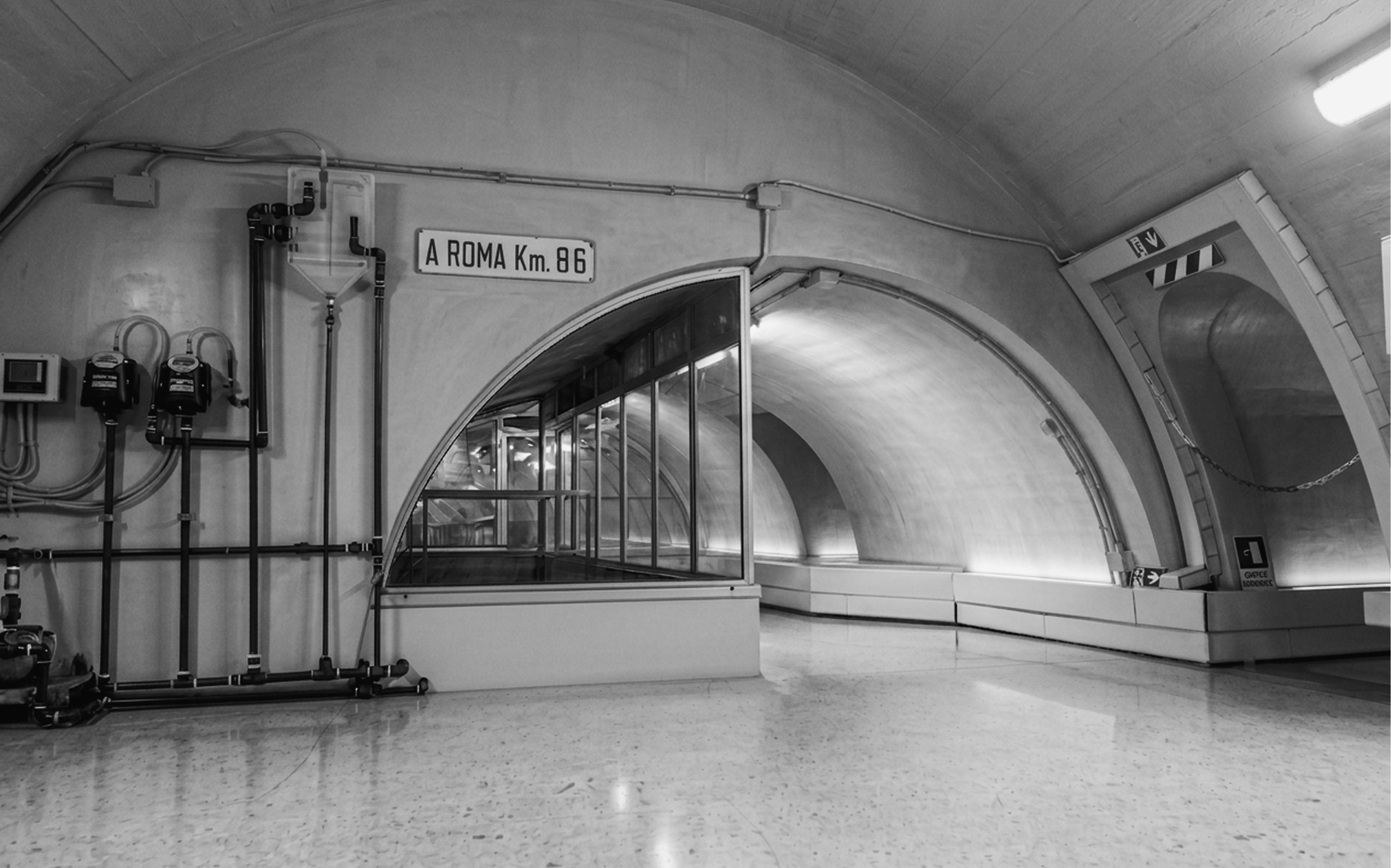
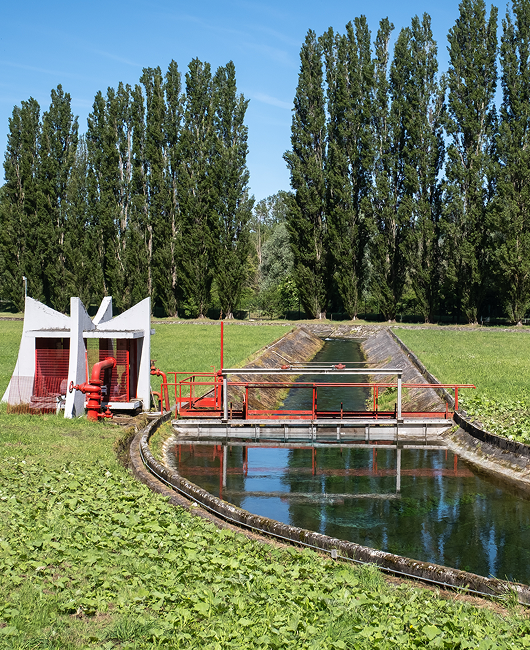
From the springs of Mount Nuria to the heart of Rome: more than a century of engineering, vision and sacrifice to bring water of exceptional purity to millions of people. This is the story of one of the largest spring-fed aqueducts in the world.
of tunnels bored through the heart of the Apennines
average flow rate
since the first study in 1908

Seleziona un periodo


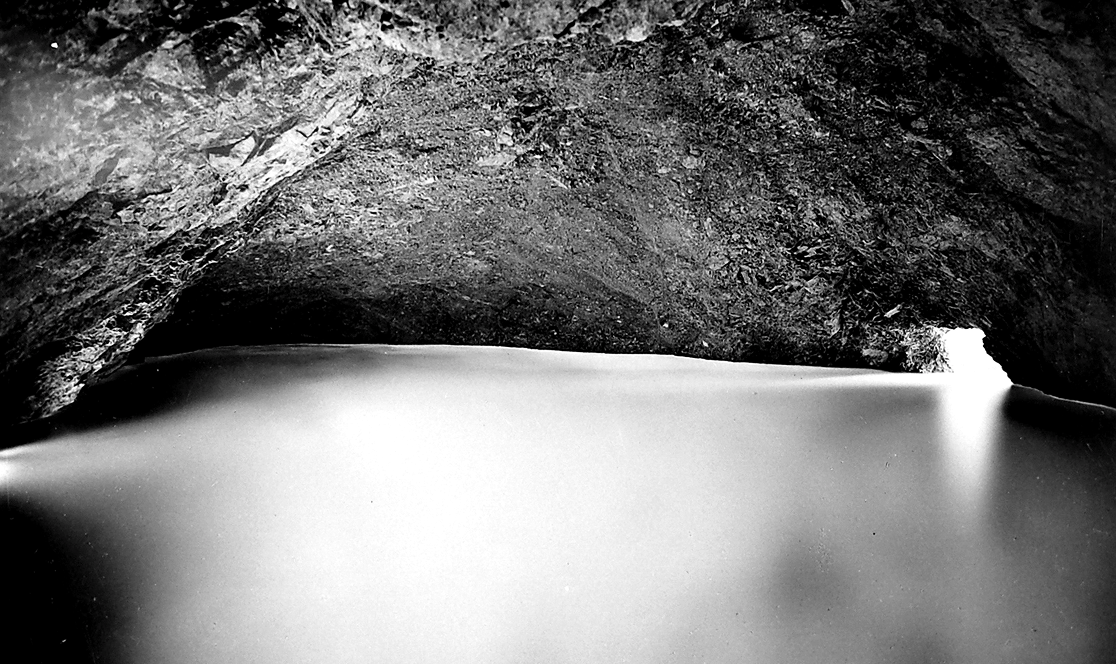
Under the administration of Mayor Ernesto Nathan, engineer Gaetano Roselli Lorenzini began the first studies to abstract exceptionally pure water from the springs of the Peschiera River, at the foot of Mount Nuria. The idea of a major new aqueduct for Rome was born.
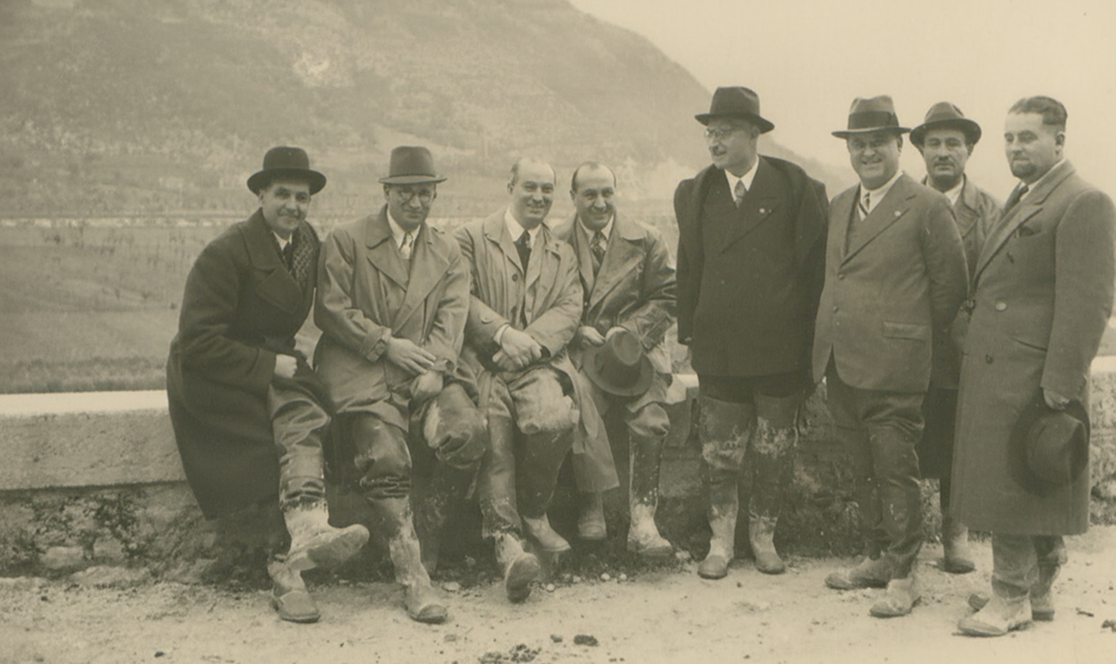
On 11 January, tunnel excavation work officially began in the heart of the central Apennines, under the direction of AGEA (Azienda Governatoriale dell’Elettricità e delle Acque). This marked the start of one of the country’s most ambitious engineering undertakings.
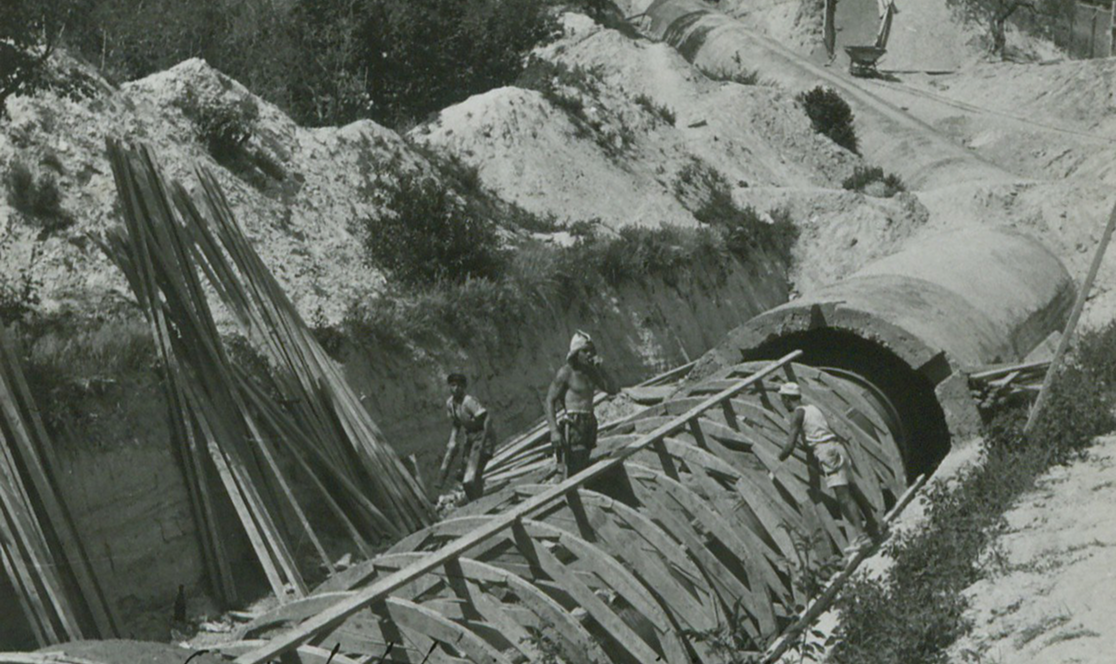
The first 26 km section of the aqueduct was inaugurated, together with the underground hydroeletric power plant in Salisano: an unprecedented facility in Europe, which still generates power today by harnessing the water's natural difference in elevation.
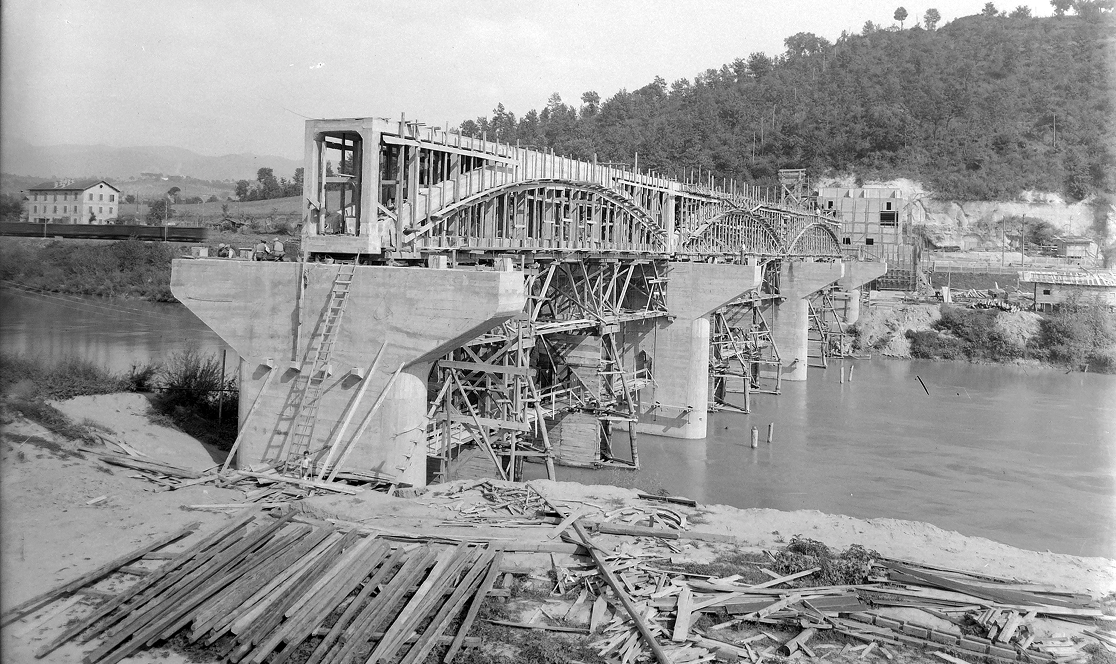
At the end of the Second World War, work resumed under the management of the newly established ACEA, with state funding of 1.5 billion lire. This marked a new phase of construction that would lead to the completion of the project.
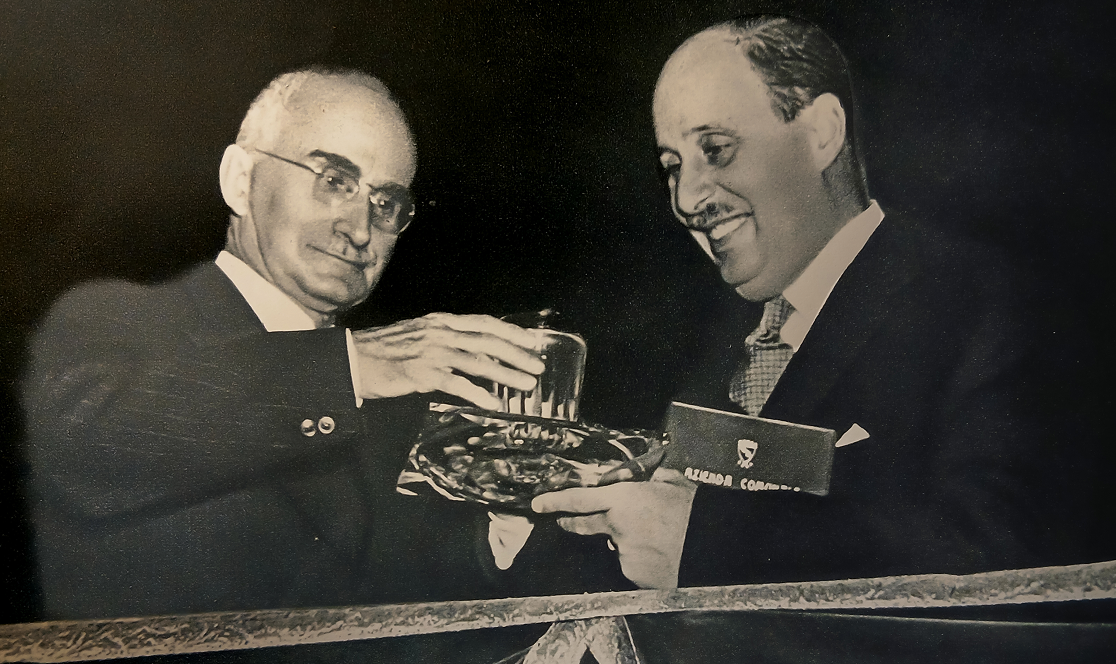
The President of the Italian Republic, Luigi Einaudi, officially inaugurated the aqueduct by activating the monumental terminal fountain (fontana mostra) in Piazzale degli Eroi. The toast was made with the same glass used by Pope Pius IX to celebrate the Acqua Pia Marcia in 1870: a symbolic gesture connecting modern Rome to its millennia-old tradition.
As Rome expanded, demand for water increased. A second branch of the lower section of the aqueduct was built, running 33 km along the left bank of the Tiber, along with new water distribution centres across the capital’s districts. The total flow rate reached 9.5 cubic metres per second.
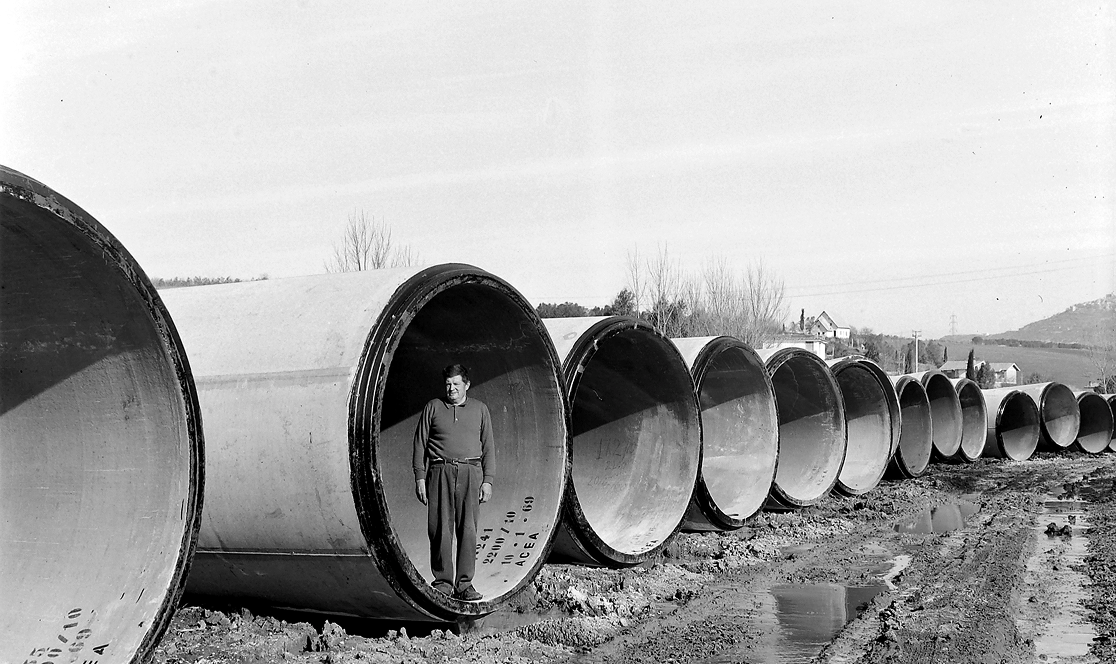
To further strengthen the system, a 7 km tunnel was built to connect the aqueduct to the Le Capore springs in Frasso Sabino. The Peschiera Aqueduct was no longer alone: the integrated Peschiera-Capore system was born.
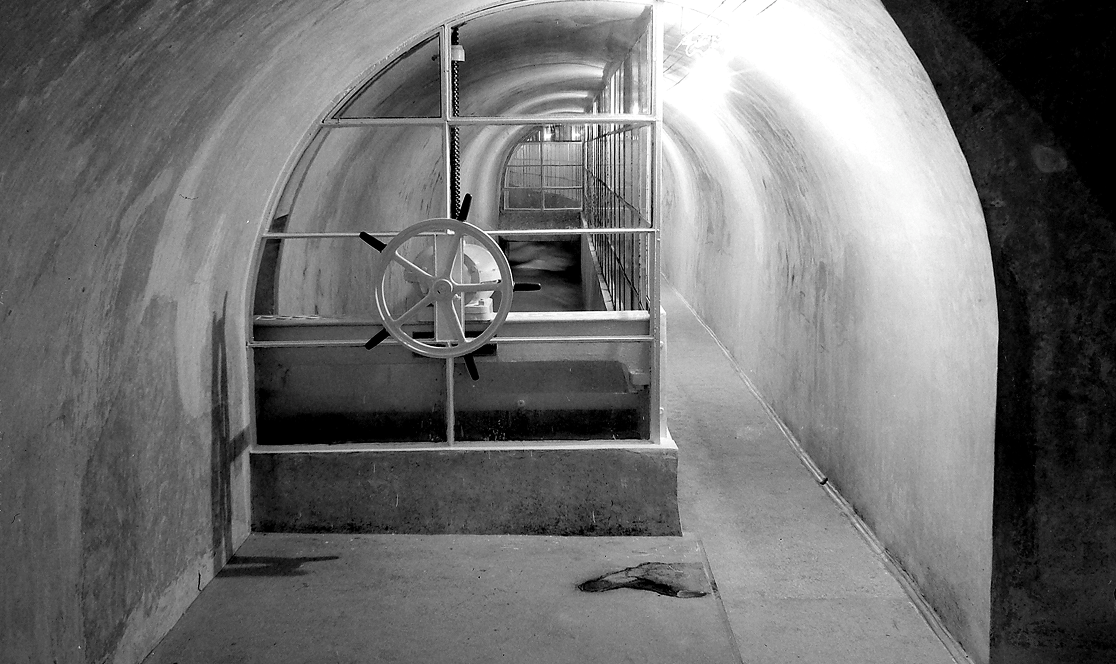
With the final facility coming into operation, the system reached a flow rate of 14,000 litres per second. The Peschiera-Capore system officially became one of the world's largest aqueducts supplied exclusively by spring water.
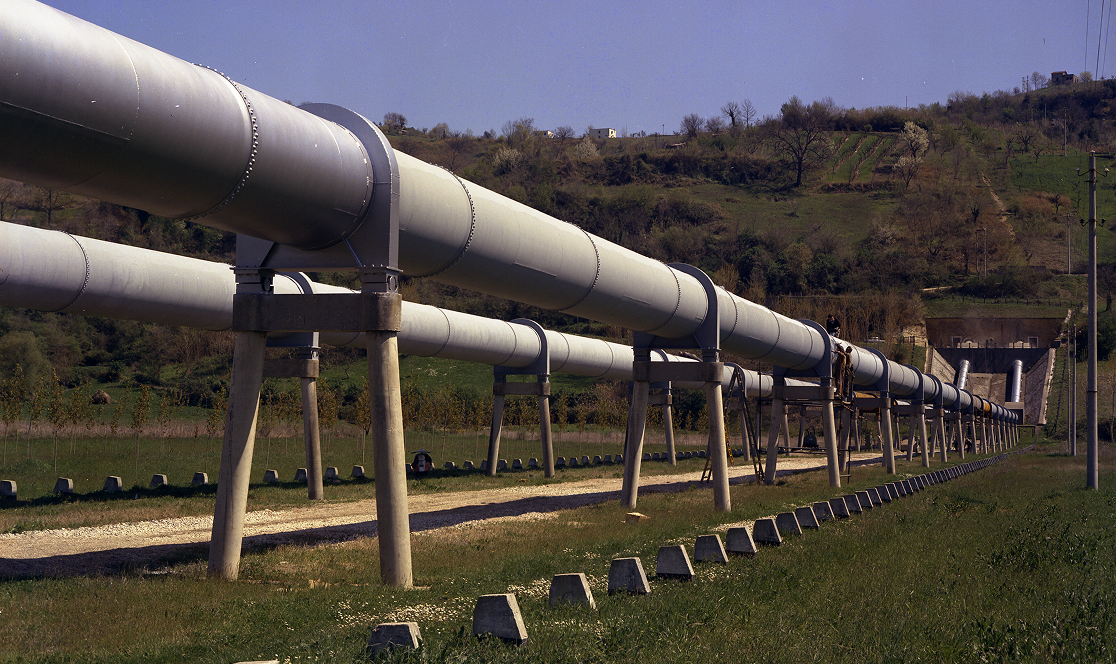
To mark the 80th anniversary of the start of construction, Acea celebrated the history of the aqueduct with a major exhibition at Palazzo delle Esposizioni in Rome. A monument dedicated to those who contributed to its construction was inaugurated at Castel Sant’Angelo.
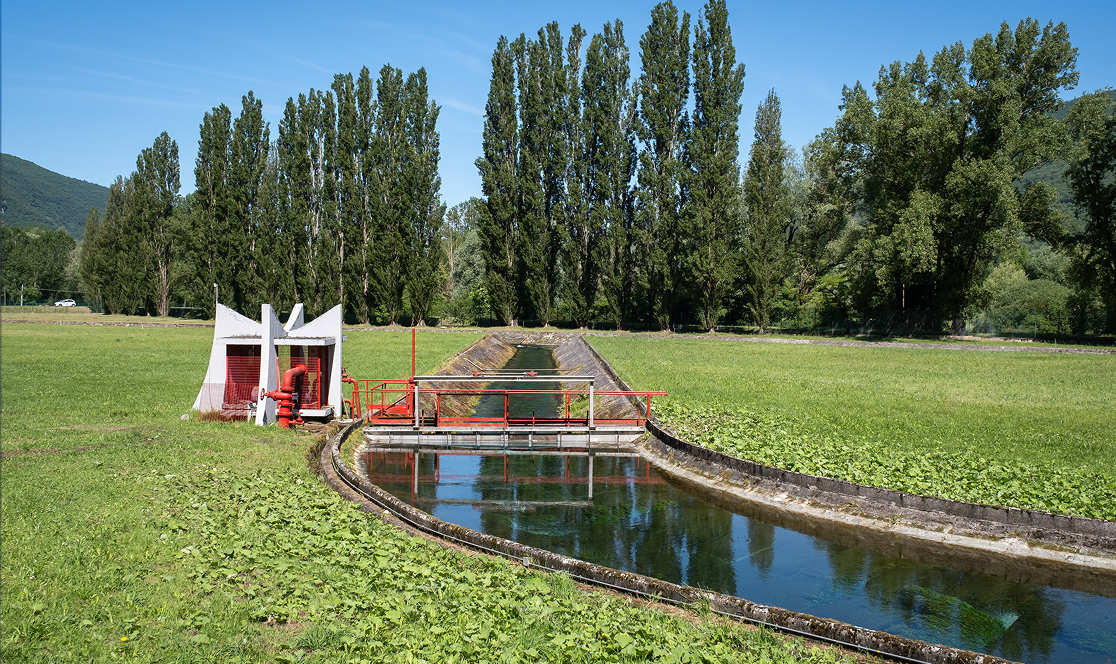
The tender for the doubling of the upper section was issued: 27 km of new tunnels will run alongside the original ones. With an investment of €1.5 billion, also financed through Italy’s National Recovery and Resilience Plan (NRRP), it is Europe's largest water infrastructure project. The future of Rome’s water begins today.
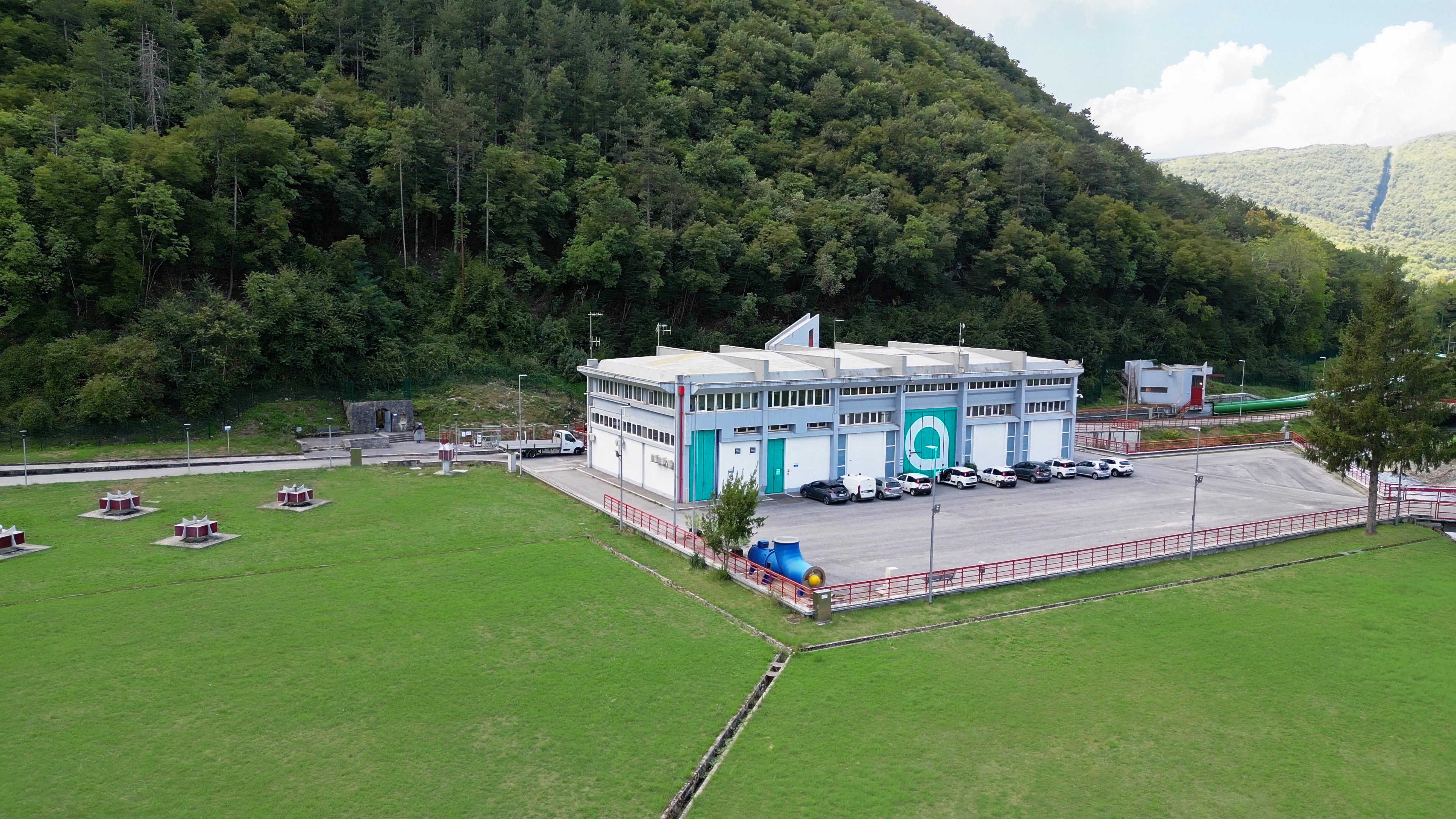
For more than eighty years, the water flowing from the Peschiera springs has crossed the Apennines without requiring any drinking-water treatment.
Learn how we are building the future of water.
The New Upper Section Project
Expolore the project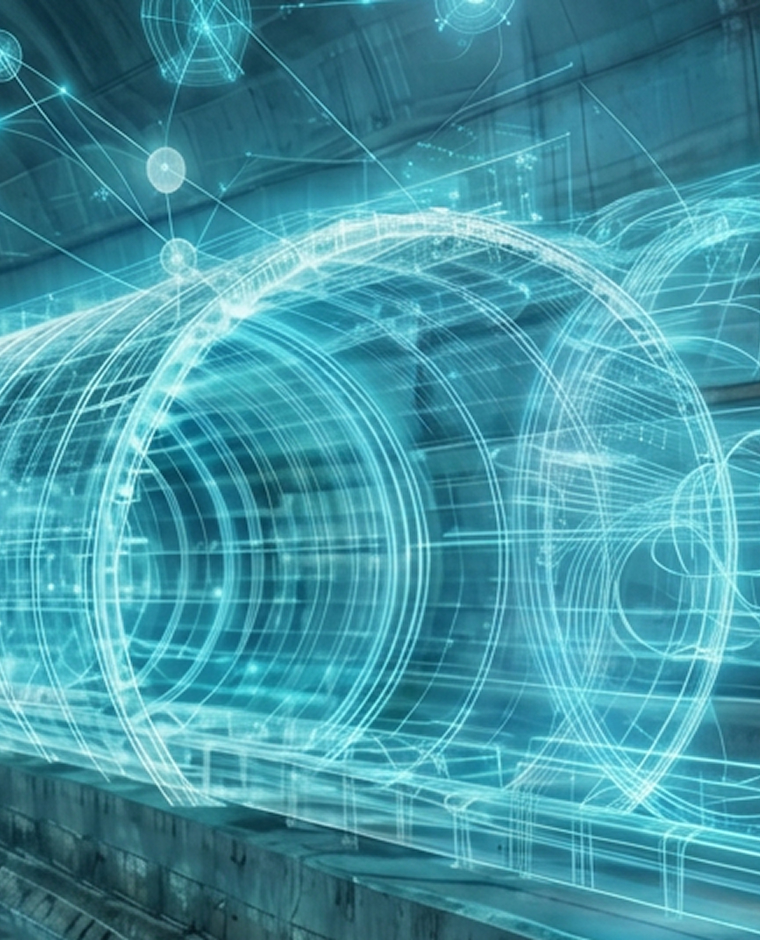
Innovation Hub: the construction site of the future
Step into the Innovation Hub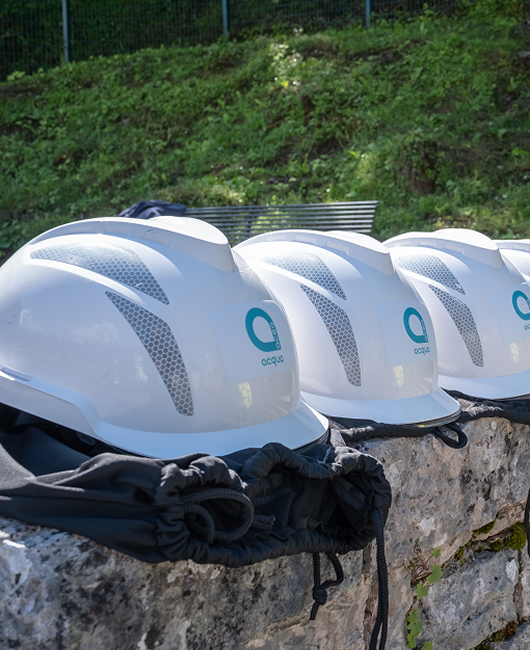
The Peschiera Model and Sustainability
Discover the Peschiera Model
We answer the most frequently asked questions about the New Upper Section of the Peschiera Aqueduct: route, municipalities along the route, construction site management, timeline, and the expected investment.