



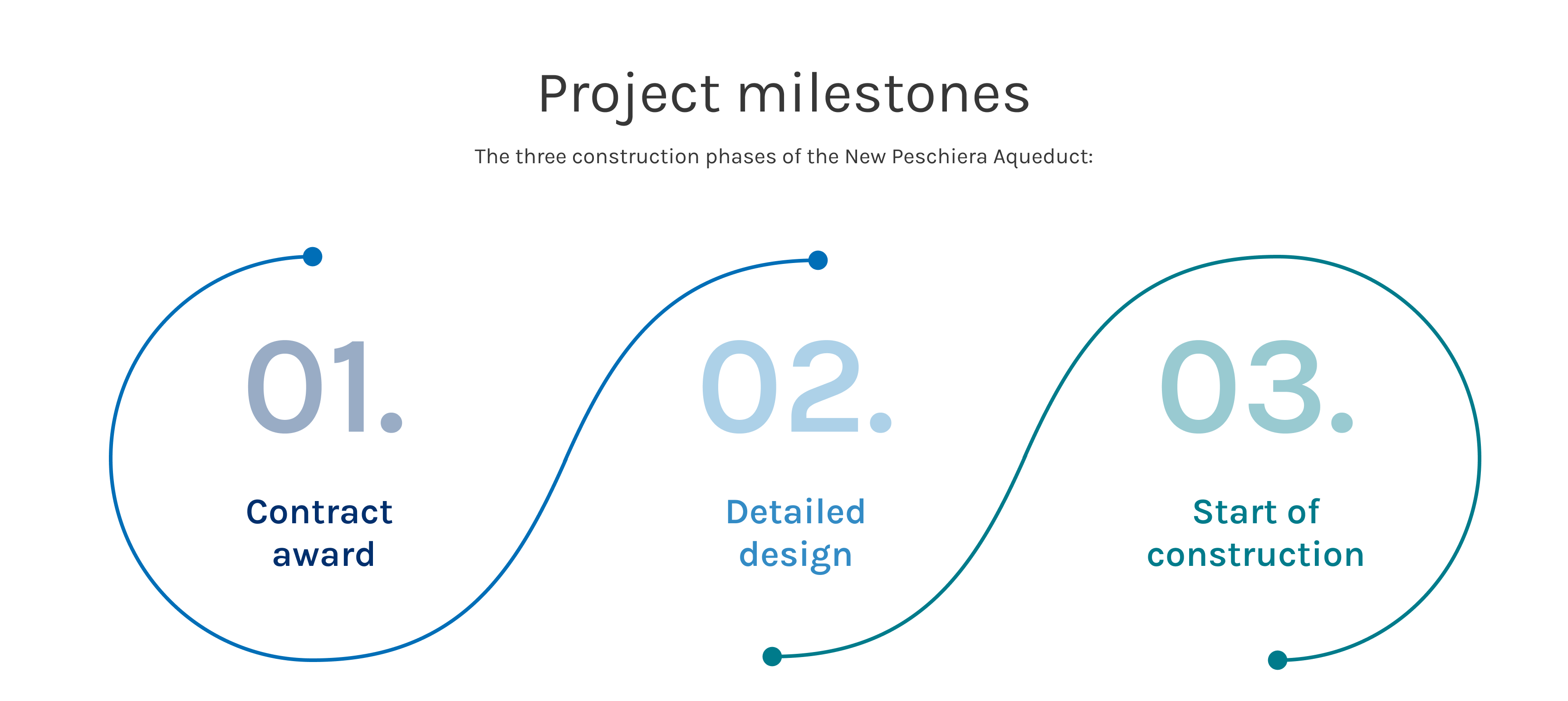
Europe's largest water infrastructure project, designed to ensure the long-term security and continuity of water supply for Rome and the Lazio region.
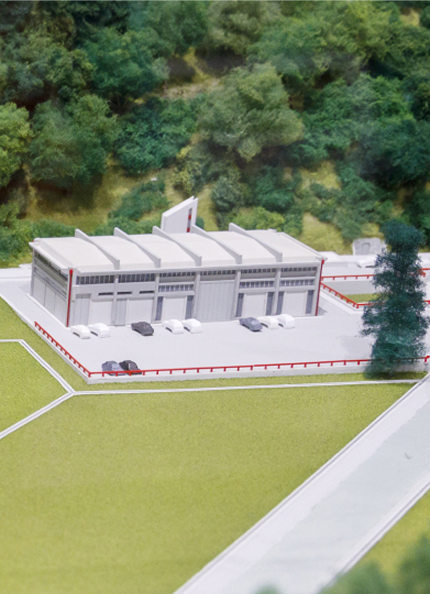
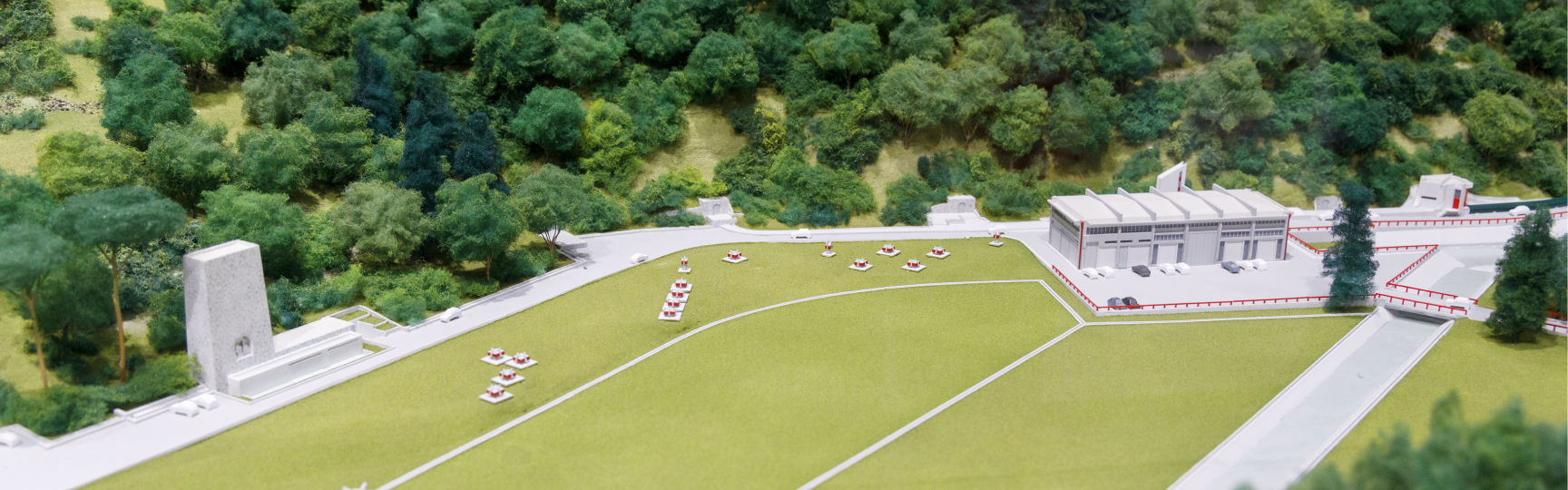
An advanced example of integrated planning combining the needs of the local area, environmental sustainability and infrastructure resilience.
The municipalities involved and the aqueduct route.
Construction activities will involve the municipalities of Castel Sant’Angelo, Cittaducale, Belmonte in Sabina, Mompeo, Montenero Sabina, Monte San Giovanni in Sabina, Rieti and Salisano.
The New Peschiera Aqueduct safeguards the existing water system, ensuring service continuity and greater reliability. The route runs entirely underground to minimise surface impact.
An unprecedented engineering challenge in scale and capacity.
Total length of the new route connecting the springs to the distribution hub
Guaranteed flow rate, capable of meeting the needs of millions of people
Maximum tunnel diameter, enabling easy maintenance and inspection using dedicated vehicles
kWh/year, estimated energy savings
We are building resilient and reliable infrastructure.
The project is not only an engineering undertaking, but also a pact of trust with the local area and institutions.
Seismic resilience
The entire route is designed to withstand severe seismic events, ensuring the continuous availability of water, even in an emergency.
Legality protocol
Signed with the Prefecture for anti-mafia monitoring and workplace safety across all construction sites.
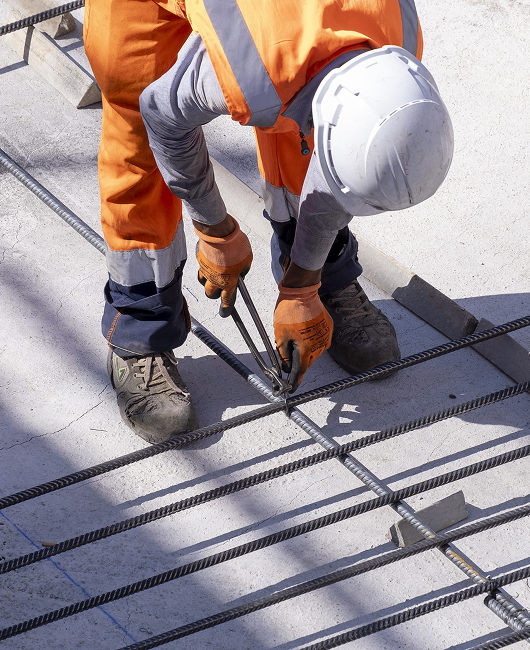
Our construction sites are designed to minimise disruption. We use mechanised excavation techniques with tunnel boring machines (TBMs) operating at depth, limiting dust, noise and surface traffic.
Learn how we are building the future of water.

Innovation Hub: the construction site of the future
Step into the Innovation Hub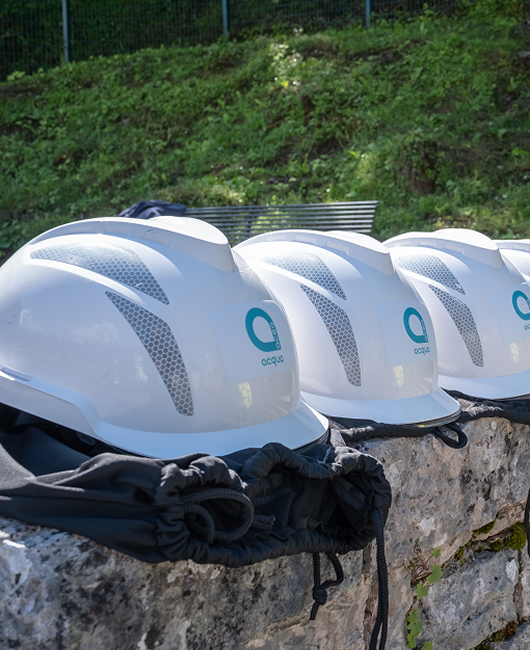
The Peschiera Model and Sustainability
Discover the Peschiera Model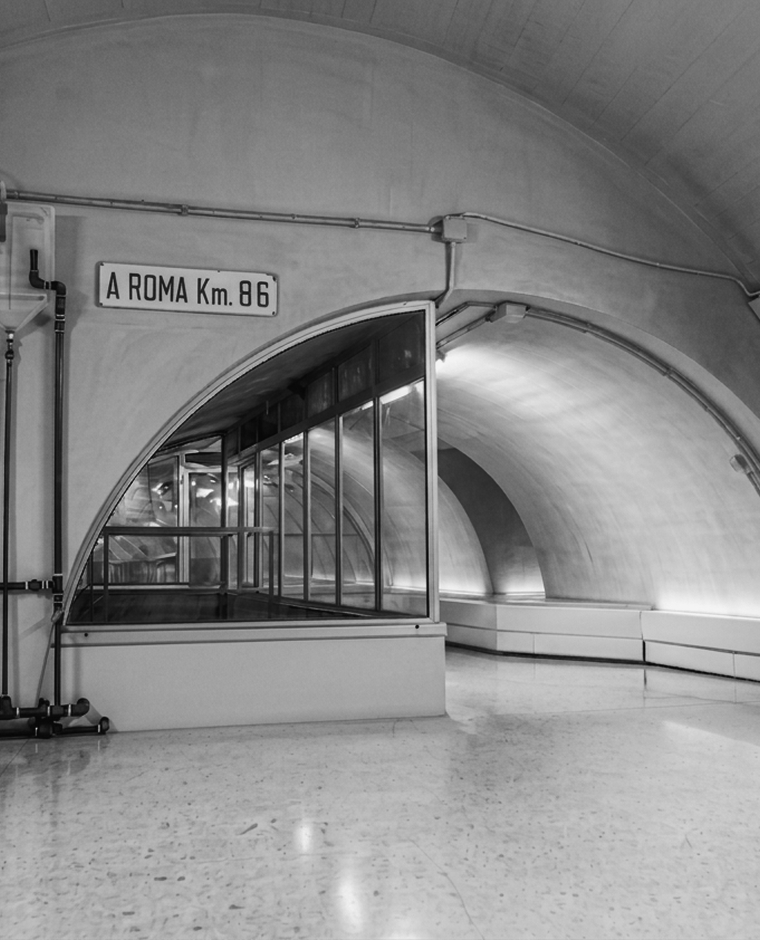
The history of the Peschiera Aqueduct
Discover the History of the Aqueduct
We answer the most frequently asked questions about the New Upper Section of the Peschiera Aqueduct: route, municipalities along the route, construction site management, timeline, and the expected investment.